How to Warm a Towel Fast, With or Without a Warmer
To warm a towel fast, use a towel warmer or briefly tumble a dry, heat-safe towel in a dryer. Follow the appliance directions and don't put damp fabric in a warmer unless its manual allows it.
On this page (7 sections)
- How do you warm a towel in a towel warmer?
- Can you warm a towel quickly in a clothes dryer?
- Can warm water take the chill off a towel?
- Which towel warmer features help when you're in a hurry?
- What should you avoid when warming a towel?
- How do you choose the right way to warm a towel?
- How should you warm a towel safely for your routine?
To warm a towel fast, use a towel warmer or briefly tumble a dry, heat-safe towel in a clothes dryer. The best way to decide how to warm a towel is to match the method to your schedule, the towel's care label, and whether you need the fabric to stay dry.
A towel warmer suits a planned shower routine, while a dryer can help when you need a dry towel sooner. Warm water is a simple fallback if a damp towel is acceptable, but it won't leave the fabric ready for storage.
How do you warm a towel in a towel warmer?
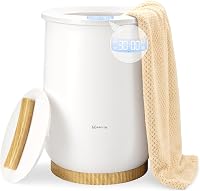
Place a clean, dry towel in the warmer and follow its instructions for fabric, capacity, and timing. Bucket warmers hold towels inside, while heated racks warm fabric draped over bars.
Check how many towels the unit can hold before you buy. A warmer sized for one towel won't suit a household that wants to prepare several at once, and cramming in extra fabric can interfere with the intended placement.
Set the warmer up on a stable surface near your bathroom routine, with its cord and outlet arranged according to the appliance directions. Leave room to open the lid or reach the rack without pulling on the cord.
Keep towels away from any surfaces or openings the instructions say to avoid.
SAMEAT says its bucket warmer accommodates up to two oversized towels and can safely heat cotton. It warns against heating chemical-fiber or non-heat-resistant fabric, and says not to use it to dry damp items.
The SAMEAT timer starts at 30 minutes by default. Its interior can be hot while the hot-surface indicator is lit, so don't touch the inside during that time.
A towel warmer is a good fit if you want a warm towel ready as part of a regular shower or bath routine. Skip a bucket model if you need to dry laundry, warm fabrics outside its approved materials, or prepare towels immediately without allowing for a warming period.
For a comparison of bucket and rack styles, see towel warmers for the bathroom. Our guide to whether towel warmers work covers what to expect from each type.
Can you warm a towel quickly in a clothes dryer?
Yes, a clothes dryer can warm a dry towel when you use a short cycle and check it before use. The time varies with the towel, dryer, and cycle, so start with less time and add more only if needed.
Check the towel's care label before using heat. Keep it clear of items that might snag it or transfer lint, and remove it promptly when warm.
A dryer makes sense when you need a dry towel soon and already have access to one. It is less convenient if you want a towel ready at a set time without running a laundry appliance, or if the towel's care label rules out machine drying.
Check the towel's temperature with your hand before wrapping it around yourself. If it feels too hot, let it cool rather than assuming a short cycle always produces a comfortable result.
Can warm water take the chill off a towel?
Warm water can take the chill off, but it leaves the towel damp. Use this approach only if you are comfortable with a wet towel and can wring it out well.
Run warm tap water over a clean towel, then wring it firmly. Don't use boiling water, which can scald you or make the fabric dangerously hot to handle.
This method can work when you have no warmer or dryer nearby and don't mind moisture. It is a poor choice if you need a dry towel right away or want to put the towel back in storage after use.
A damp towel needs to dry afterward. Don't put it in a warmer that warns against damp items; read more in can you put wet towels in a towel warmer?.
Which towel warmer features help when you're in a hurry?
Choose a timer that matches the gap between setup and use. A display can make it easier to see settings or temperature, while a delay timer suits routines planned farther ahead.
The SereneLife Digital Display Towel Warmer offers 20-, 40-, 60-, and 90-minute settings and a real-time temperature display. It holds two large towels or a personal throw blanket, making it a fit for an individual or couple who want to prepare towels or a blanket before use.
Pick SereneLife if you want shorter timing choices and a screen. Skip it if you prefer a basic timer or don't need a display.
The Asuka Wood Handle Towel Warmer has 1-, 3-, 8-, and 12-hour delay settings, plus automatic shutoff. It accommodates up to two oversized towels, bathrobes, blankets, or pajamas.
Asuka is a better match for someone who wants to schedule warmth around a shower, bedtime, or return home. Skip it if you need a simple short-cycle warmer and won't use long delay settings.
For more timing guidance, read how long a towel warmer takes to heat up. If you're deciding whether the routine is worth adding, see what is the point of a towel warmer?.
What should you avoid when warming a towel?
Avoid high, direct heat and any fabric or use the appliance instructions rule out. A towel warmer should warm approved fabric, not dry a wet towel unless the specific model permits it.
Don't use a microwave, oven, stove, or open flame to warm a towel. These methods can produce hot spots or ignite fabric, especially if it is overheated or has metallic trim.
Don't leave a dryer running unattended, and follow its cycle and clearance instructions. If a towel smells scorched, feels unusually hot, or shows damage, stop heating it and let it cool.
A common mistake is treating all towel warmers as interchangeable. One model may allow a range of fabrics or timing settings that another does not, so read the instructions for your exact unit before each new use.
Another mistake is packing a warmer beyond its stated capacity. Use the number and size of towels the warmer is designed for, and don't assume that adding more fabric will make it warm faster.
How do you choose the right way to warm a towel?
Choose by how soon you need the towel, whether it must stay dry, and how much setup you want. A warmer is suited to a planned routine, a dryer to a quick dry towel, and warm water to an occasional damp-towel option.
Pick a bucket warmer if you want an enclosed unit for one or two towels and can plan ahead. The SAMEAT is the clearest fit here for cotton users who want a simple default timer; choose SereneLife if shorter timed settings and a temperature display matter more, or Asuka if you want delay settings for a schedule planned hours ahead.
Pick a dryer when speed and a dry result matter more than setting up a separate warmer. Choose warm water only when damp fabric is acceptable, and avoid it when you need the towel ready to use or put away immediately.
If bathroom space or installation affects your choice, compare heated towel racks and towel warmers before buying. For bucket warmers, check the instructions for the fabric, capacity, and timing that fit your routine.
How should you warm a towel safely for your routine?
For a planned shower, set out a clean, dry, approved towel and use the warmer's timer or instructions. For immediate use, warm a dry towel in a dryer for a short cycle, then check its temperature; use warm water only when you are fine with a damp towel.
The safest method is the one that respects the fabric and appliance directions. If you want a towel ready on a schedule, choose a warmer with timing that fits your routine and learn how towel warmer timers and auto shutoff work.
For most homes, the choice is simple: use a warmer for a repeatable routine, a dryer for a quick dry towel, or warm water when dampness is acceptable. That is the practical answer to how to warm a towel without guessing at heat or using an appliance outside its intended purpose.
Frequently asked questions
How can I warm a towel quickly without a towel warmer?
Put a clean, dry towel in a clothes dryer for a short cycle, then check it before use. Dryer time varies by towel size, fabric, and appliance, so start with less time and add a little if needed.
Remove the towel promptly and avoid overheating it.
Can I put a wet towel in a towel warmer?
Only if the warmer's manual says it can handle damp towels. Some bucket warmers warn against using wet items, since they are made to warm dry, heat-safe fabric rather than dry laundry.
Check the instructions for your exact model before use.
Can I use a microwave to warm a towel?
A microwave can create uneven hot spots and may ignite fabric if it is overheated or contains metallic parts. Use an appliance designed for warming fabric, or warm a dry towel in a clothes dryer according to its instructions.
How long does a towel warmer take to heat a towel?
The time depends on the warmer, towel thickness, and how the towel is arranged inside it. Check the warmer's instructions and allow enough time for the full towel to warm.
Our guide to towel warmer heat-up time explains what can affect the wait.